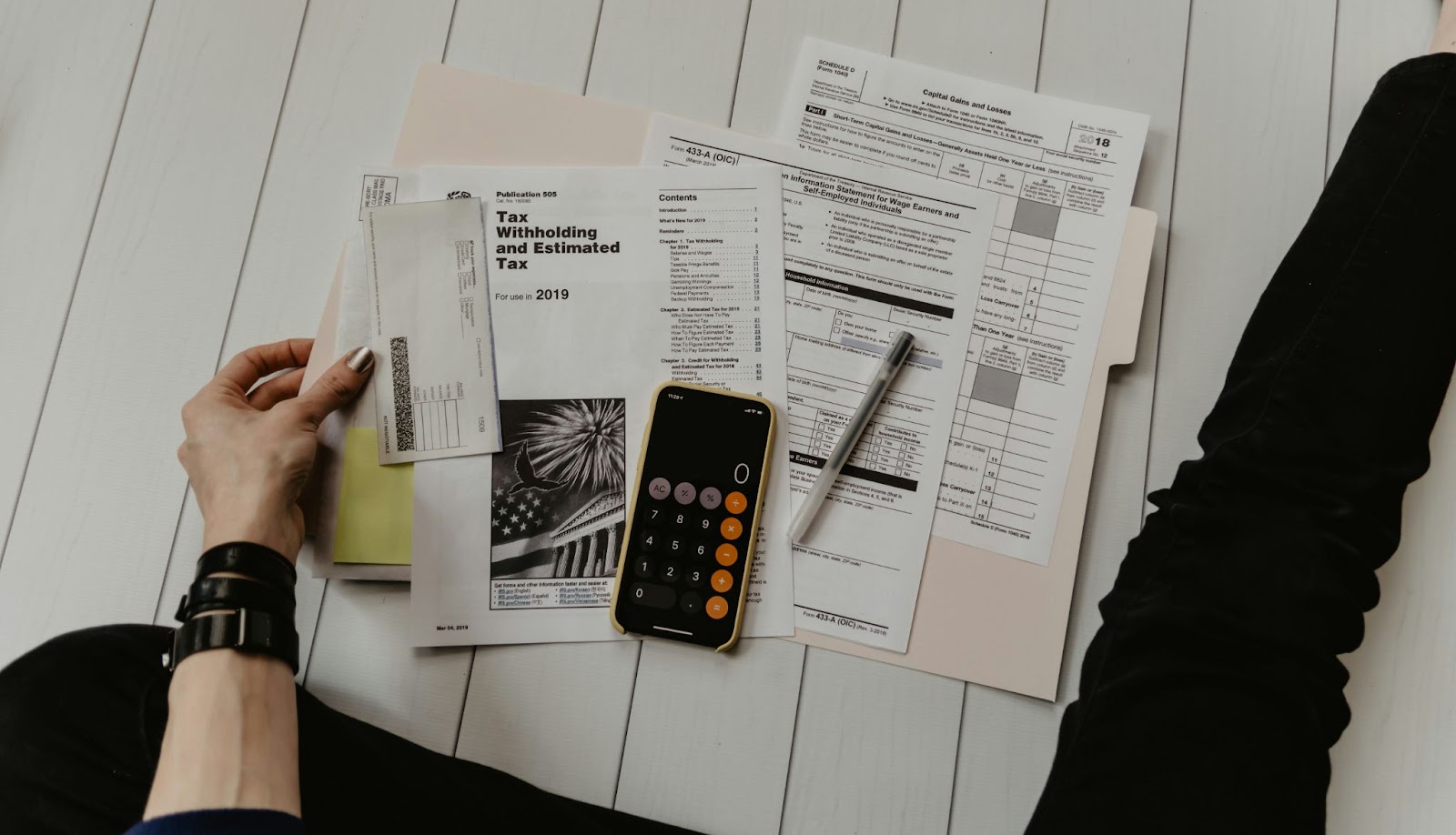

On January 7, 2020, Max Vollmer and his wife, Kaitlin, sat on the floor of a small room in Oregon and tallied their remaining cash reserves: $76.
Kaitlin had just lost her job as a server as COVID-19 was beginning to shut down the national economy. Max, a college athlete on a student visa, was not allowed to work. They had no savings, no business experience, and no apparent way to earn money.
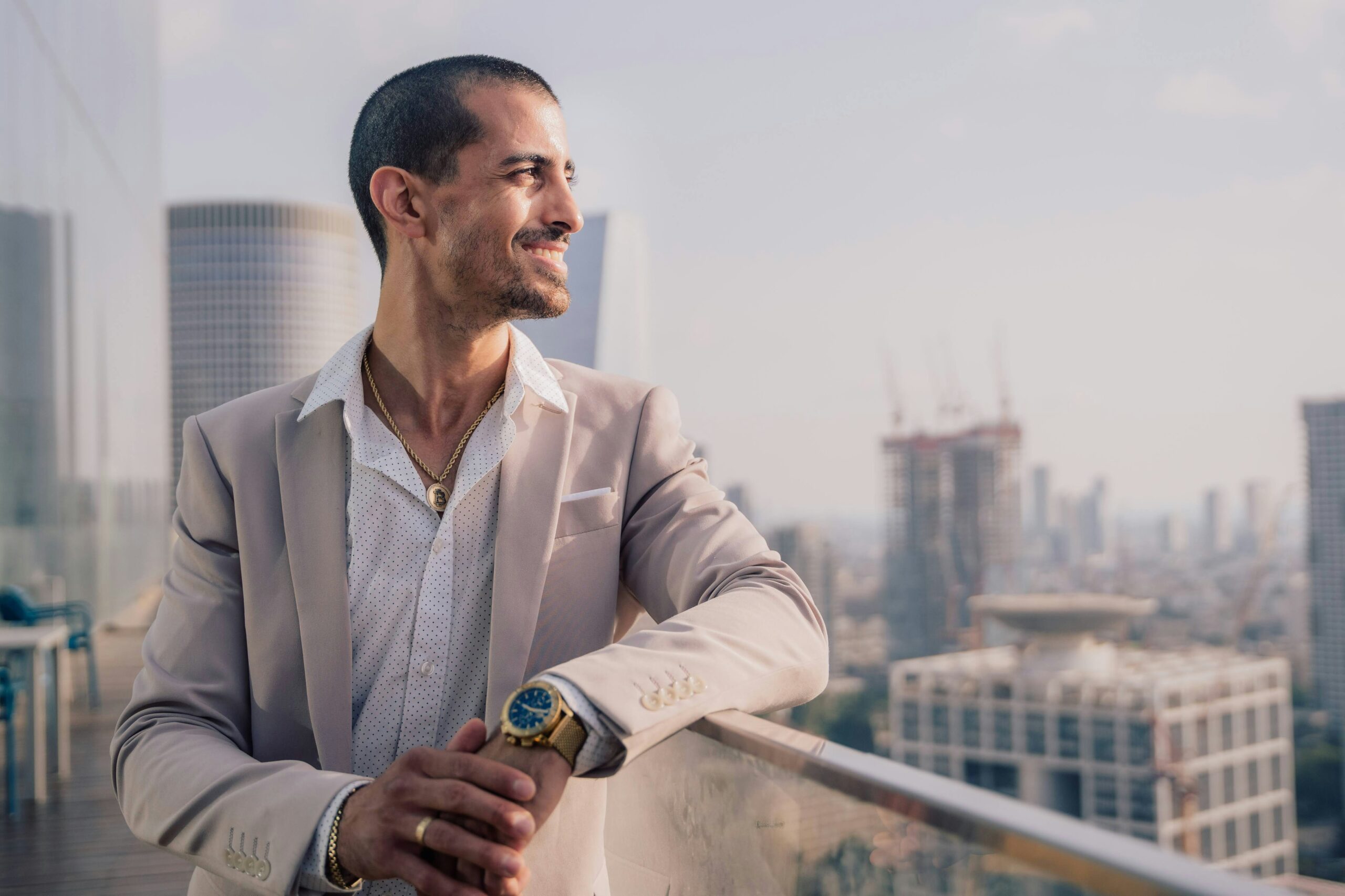
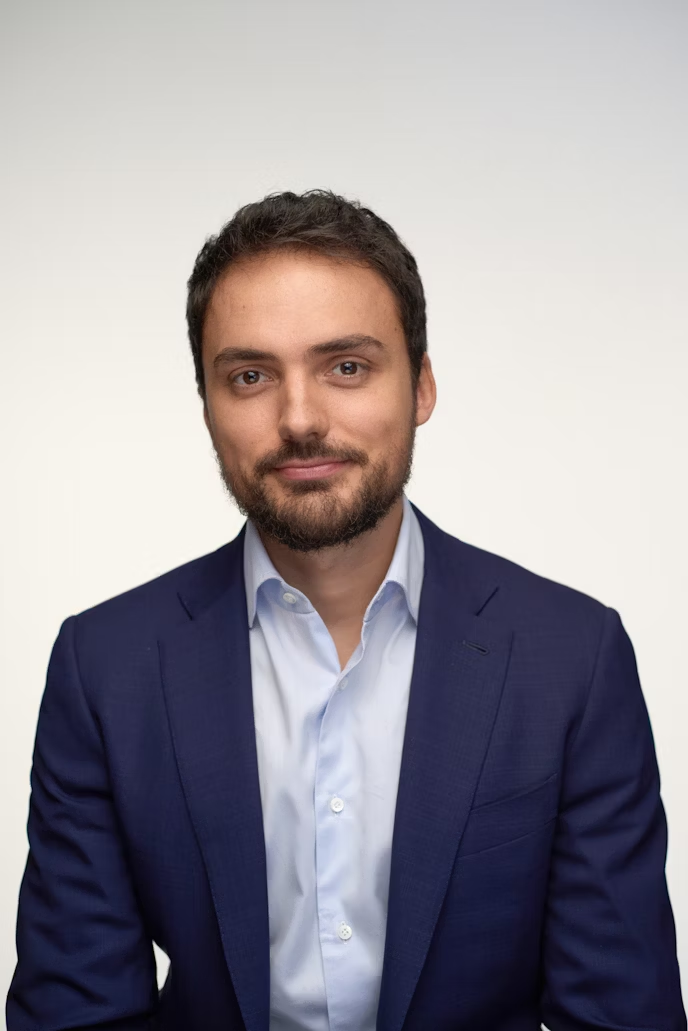
Six years later, Vollmer is the founder and CEO of Tampa-based real estate development company Vollmer Real Estate Investments, which manages $125 million in active construction projects.
The route to get here was not a straight one.
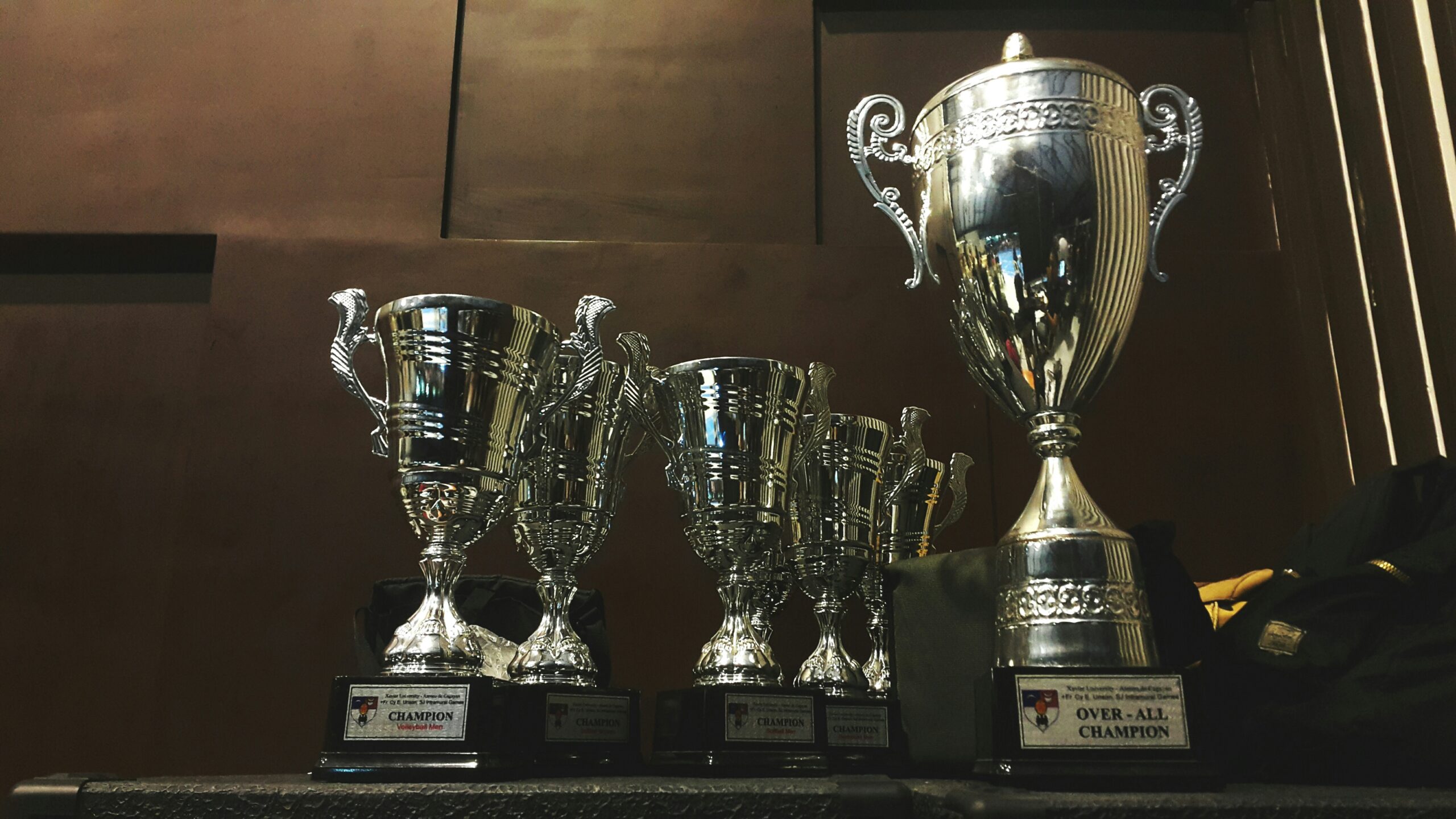
Vollmer was born and raised in Germany and was diagnosed with asthma as a child. He was told that competing at a high level in sports was unlikely. He trained anyway and went on to compete at the international level in the decathlon and at the University of Oregon.
The decathlon is a ten-event competition over two days. The winner is not the most talented athlete; it is the one who is most consistent. The training is methodical and repetitive, and progress is measured by small steps.
When financial pressure mounted on the Vollmers in early 2020, Max applied the structure of his athletic training to find a solution to their problem. Instead of working jobs they were not allowed to have, the couple began to research ways to earn money on their own.
They decided on real estate wholesaling, whereby they would place homes under contract and then assign those contracts to buyers in exchange for a fee. This business model did not require much capital; it required dedication and time. They began making cold calls to homeowners every day. However, these calls did not always yield results.
Within a month, they closed their first deal, earning them $45,000 as an assignment fee. Instead of withdrawing money from that deal, they decided to reinvest it in their business. By the time they finished college, they had closed 165 deals in multiple states.
The business also grew to encompass fix-and-flip renovations, sometimes as many as five or seven deals at any given time, and they managed these deals with a team of 35 people. However, they soon found that these deals also came with their own set of problems, such as contractor disputes and inspection delays. They solved these problems by streamlining their business.
Later on, they also decided to venture into multifamily syndications, where they would raise capital to purchase apartment buildings. This business, however, took them nearly a year and 26 investors to raise their first $1 million.
Later on, Vollmer decided to shift focus to ground-up development. This business model allowed them more control over their projects. Transactional income, such as that from wholesaling or fix-and-flip deals, relied on market conditions.
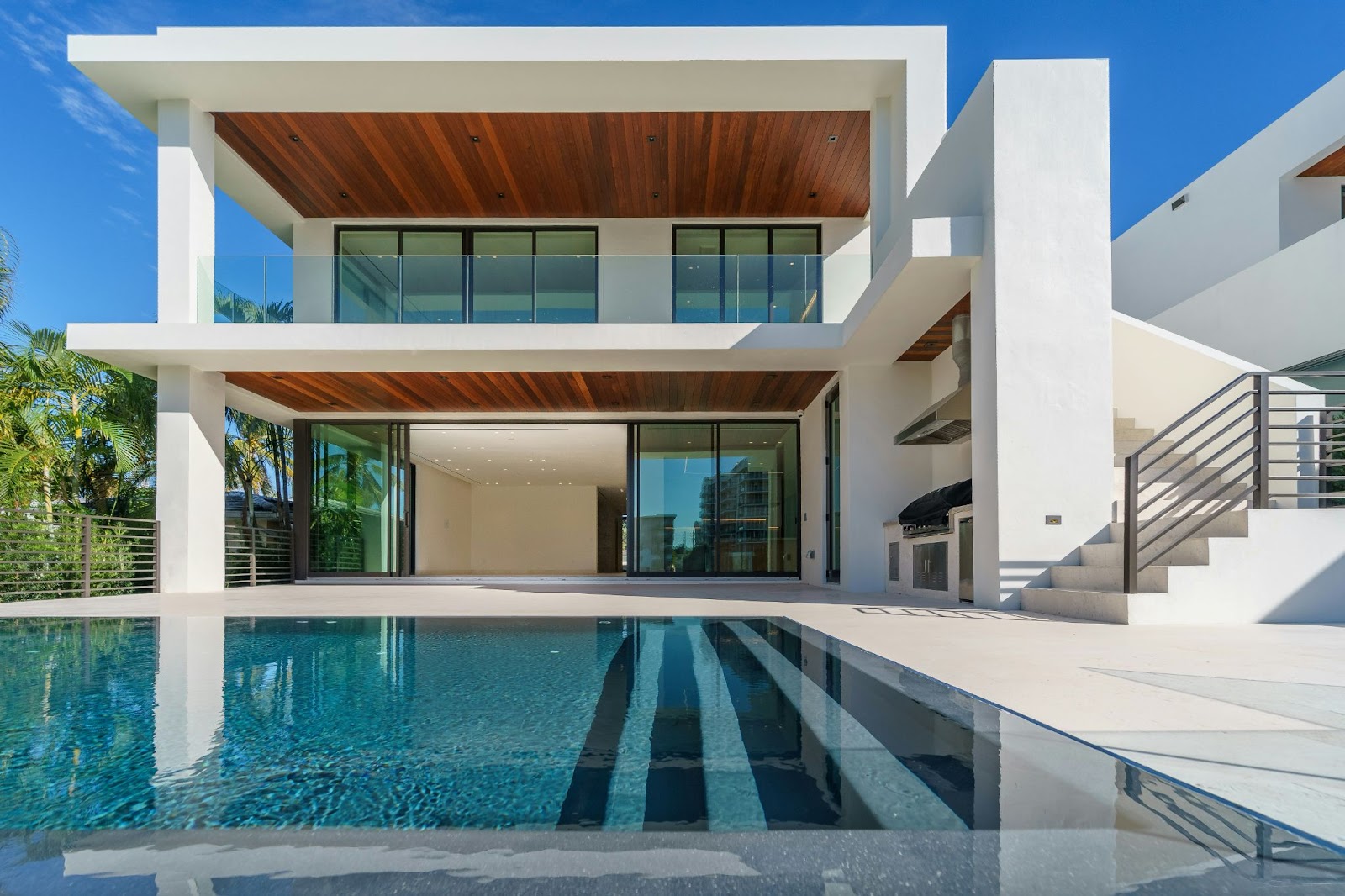
Within the last three years, Vollmer Real Estate Investments has closed over 30 development deals worth over $55 million in resale value. They currently have 61 units in their pipeline, worth $115 million in resale value.
Currently, they manage projects from land acquisition, design, and construction, mainly in the Gulf Coast region of Florida.
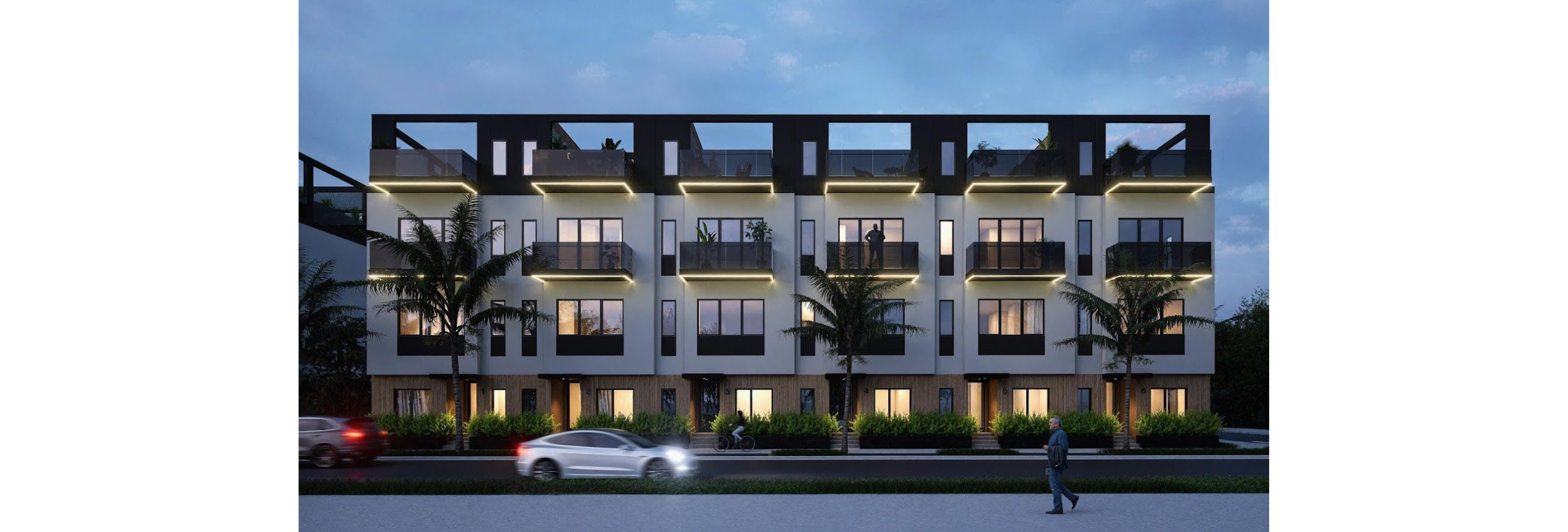
One of the company’s most recent endeavors is in Sarasota’s Rosemary District. Announced in January 2026, the $24 million project will see the construction of 12 townhomes in the walkable downtown neighborhood. Funding for the project will be in the form of a $5.5 million preferred equity investment by Plutus Capital Partners.
As the business has grown, Vollmer has started to delegate and establish clear leadership positions within the organization. This has included more stringent reporting guidelines and clearer delineations of responsibility, both of which were necessary to handle increased capital commitments and project timelines.
Outside of the business, Vollmer has also found himself reevaluating and recalibrating as a result of his new status as a father. After the birth of their daughter, Sofia, Vollmer and his wife have found themselves refocusing on sustainability, both within the business and as individuals. While growth is still important, so too are longevity and time allocation.
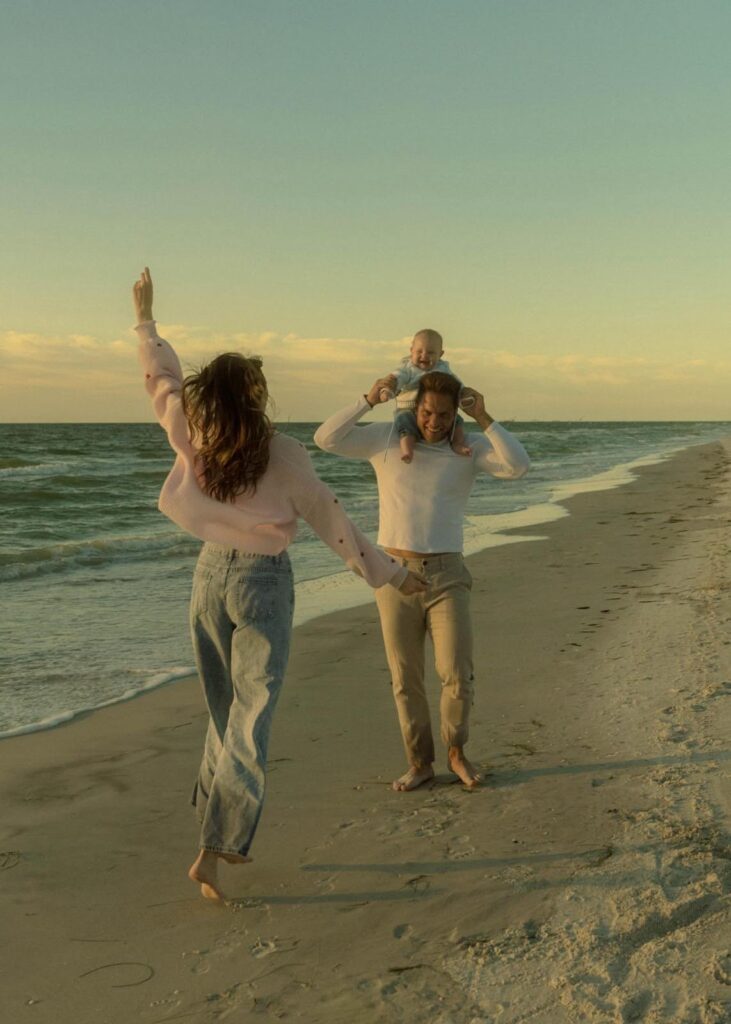
Image Caption: Max and Kailtlin Vollmer with their kid.
Vollmer has found himself thinking in terms of not just increasing wealth but in terms of optionality, choosing what to do rather than what he has to do. Real estate, in its physicality, lends itself to this approach.
The difference between the $76 moment in Oregon and the current situation is stark. From being forced to pivot as a last resort in the midst of a global shutdown, Vollmer and his team have found themselves in the business of building a platform for development on an institutional scale. Though the pressure has not dissipated, it has become more purposeful, less about survival and more about execution and building something to last longer than one market cycle.
Written in partnership with Tom White